
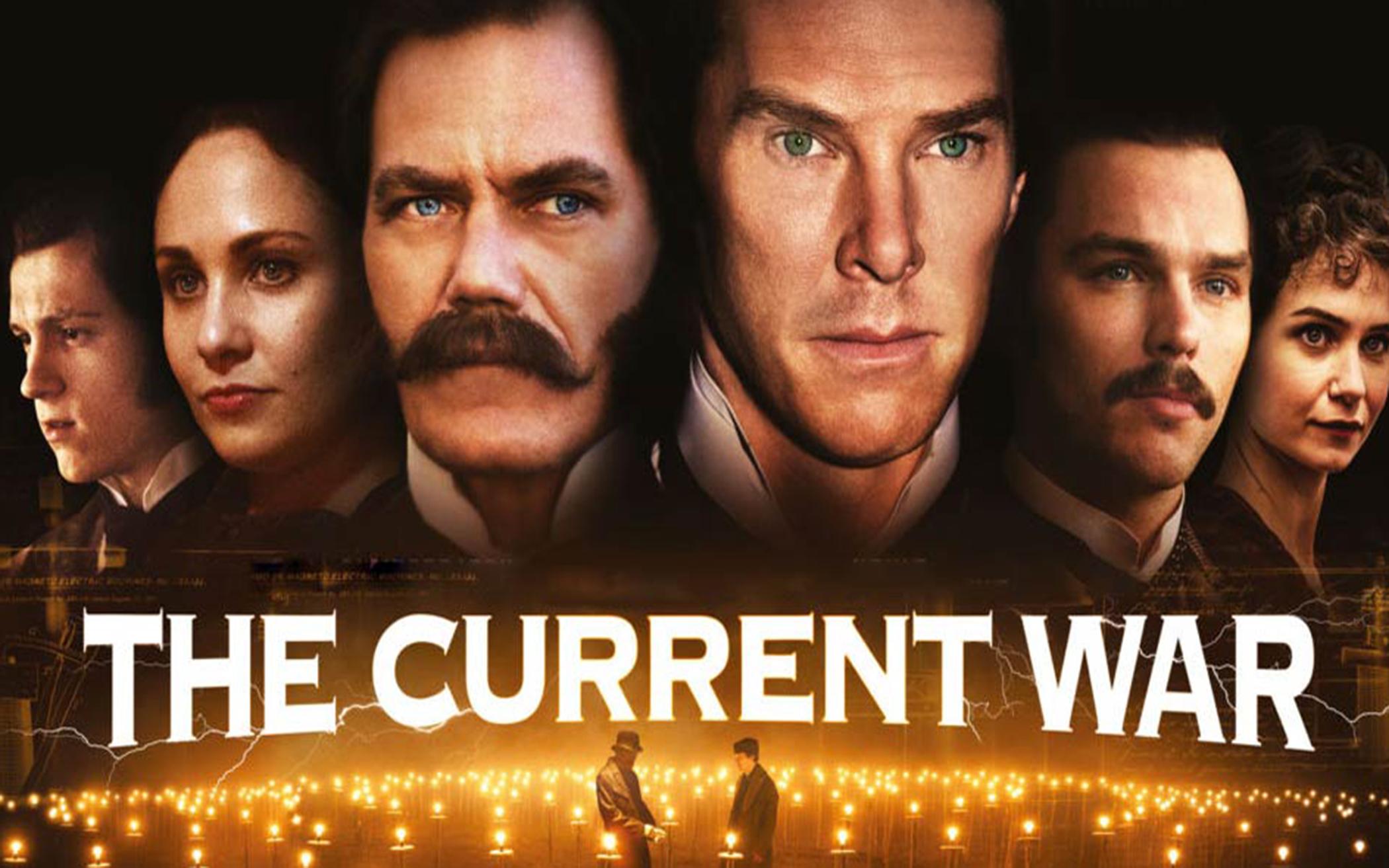
The Current Debate That Sparked a Revolution
In the late 1800s, electricity was still new and exciting, but there was a big question: how should it flow?
Thomas Edison championed direct current (DC), where electricity flows in a single, steady direction. Meanwhile, Nikola Tesla saw a bigger picture with alternating current (AC), which flips direction rapidly — hundreds of times per second.
This debate became known as the War of Currents, and it wasn’t just academic. The outcome would decide how cities and homes would be powered for generations.
Direct Current (DC): Edison’s Vision

DC was simple and reliable. It ran appliances and lights effectively over short distances. But it had a major limitation: it loses power quickly over long wires.
If DC had become the primary source of electricity, our world would look very different today:
- Every neighborhood or block would need its own power station to prevent energy loss.
- Long-distance transmission of electricity would be nearly impossible, making rural electrification a huge challenge.
- Homes and businesses might have relied on smaller, localized generators, similar to how off-grid solar systems operate today.
While DC eventually found a niche in electronics, batteries, and certain industrial applications, it simply couldn’t scale the way AC could.
Alternating Current (AC): Tesla’s Breakthrough

Tesla’s genius was realizing that electricity could be transmitted over long distances if the voltage could be increased, then decreased. That’s the magic of AC: it can travel far from a power plant without losing energy, thanks to transformers.
This made AC the obvious choice for powering entire cities — and eventually, the entire modern world. Every light in your home, every appliance, and every EV charger traces its roots back to Tesla’s AC vision.
How We Use AC and DC Today

Today, both AC and DC are part of our daily lives:
- AC (Alternating Current): Powers homes, businesses, and the electrical grid. Lights, outlets, HVAC systems, and most household appliances rely on AC.
- DC (Direct Current): Powers electronics, batteries, EVs, solar panels, and devices that store energy. Your phone, laptop, and Tesla EV battery all run on DC internally — but often rely on an AC source first, which is converted to DC.
Tesla’s AC system allows efficient distribution, while modern DC technology lets us store and control power safely. Together, they form the backbone of today’s electrical infrastructure.
Supersun Electric’s Take

At Supersun Electric, we work with both AC and DC systems every day. Whether we’re installing EV chargers, whole-home surge protection, or new circuits, understanding the role of each type of current ensures your home is safe, efficient, and future-ready.
Tesla’s AC innovations shaped the grid we rely on, and DC technology powers the devices we use every day. Both are essential — and both are built on the principles Tesla first imagined.
Want to see AC and DC in action — and learn more about the War of Currents?
Check out the movie: Learn more about Tesla’s story here
Curious how AC and DC power your home and devices?
Schedule your electrical consultation with Supersun Electric.
More like this…


Something went wrong. Please refresh the page and/or try again.
Leave a Reply