
Whole-Home Surge Protection · Round Rock & Greater Austin
The damage already started. You just can’t see it yet.
Most surges aren't lightning. They're small, steady spikes — a lot of them from your own air conditioner — quietly taking years off everything you plug in. You won't notice when it happens. You'll notice the TV dying early.
What protection actually covers
- The stuff you can't unplug — AC, oven, garage door opener, EV charger. A power strip can't help these.
- Everything on every circuit — not just what's plugged into one strip.
- Caught at the panel — diverted to ground before it reaches your devices.
- Your ground checked — a protector is only as good as the path it dumps into.
- Lifetime workmanship warranty — on our installation, for as long as you own the home.
Where They Come From
Most surges start inside your house
People picture a lightning bolt. The truth is much more ordinary — and much more constant.
You can't stop surges from happening. You can stop them from reaching your equipment.
How It's Done Right
Real protection comes in layers
These aren't either-or — they do different jobs. One is the base; the other is the fine filter.
Whole-Home, at the panel
It goes in at your main panel, catches spikes coming in, and sends them into the ground before they reach the rest of the house. This is the one that protects everything you can't plug into a strip.
- Covers every circuit in the home
- Protects what you can't unplug — AC, oven, EV charger
- Handles the big stuff coming in from outside
- Needs a solid ground to work — we check it
Point-of-use, at the outlet
Protection right at your most sensitive electronics, catching the little bit of energy that slips past the panel unit. Useful — but it can't do Layer 1's job.
- Good for computers, TVs, and delicate gear
- Catches what's left over after the panel unit
- Only protects what's plugged into it
- Does nothing for anything wired in
The honest version: if you only do one, do the panel. If you want it done properly, do both — the panel unit is the foundation, and point-of-use is the finish.
Your air conditioner is usually the most expensive single system in the house — and you can't plug it into a power strip. There's a separate protector that mounts right at the AC shutoff to guard that one system. It works with the whole-home unit, not instead of it. Ask us about it at your consult.
What We Install
The PSP Vortex Series R
We don't install whatever's cheapest on the shelf. We put in the PSP Vortex Series R at your main panel — and we stand behind it because the maker does too.
PSP backs it with a lifetime warranty on the device and a $100,000 connected equipment guarantee — their coverage, their terms, straight from the maker.
What we guarantee is our own work: the installation is covered by our lifetime workmanship warranty. The device is PSP's to stand behind. The install is ours.
Ask About It — $119 Consult →$100,000PSP CONNECTED EQUIPMENT GUARANTEE
- Lifetime device warranty — from PSP
- Lifetime workmanship warranty — from Supersun
- Installed at the main panel, ground checked
- Protects what a power strip can't touch
The lifetime device warranty and $100,000 connected equipment guarantee are offered by PSP, the manufacturer — not by Supersun Electrical Services. Coverage, eligibility, and claims are governed solely by PSP's terms and conditions. Refer to PSP's product documentation for full details.
Straight Talk
What surge protection won’t do.
It won't stop a direct lightning strike. Nothing will. That's a huge amount of energy and no device soaks up all of it. Be careful with anyone who promises otherwise.
It won't lower your power bill. Protecting isn't saving. Anyone selling it as a way to cut your bill is overselling.
It won't last forever. Every surge it soaks up uses a little of what it has left. It's a part with a life span, and most have a light worth checking now and then.
What it does do is stop the everyday spikes — the ones from your AC, the power grid, and nearby storms — which is what actually kills most equipment.
Talk It Through — $119 →What would a bad surge actually cost you?
Add up what's plugged into your house — the TV, the computers, the AC board, the EV charger. Most people are surprised by the total. Then decide if protection is worth it.
The Consult
A protector is only as good as its ground.
A surge protector dumps energy into your home's ground. If that path isn't solid, the device can't do its job — which is why we check the ground before we install anything. That's part of the consult.
$119
Full System Consultation · credited toward same-day approved work
Book My Consultation →The Supersun Universe
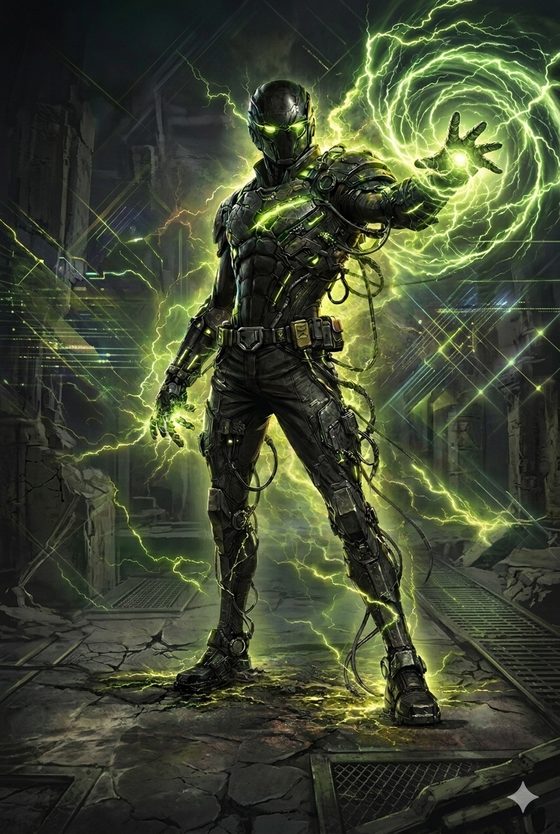
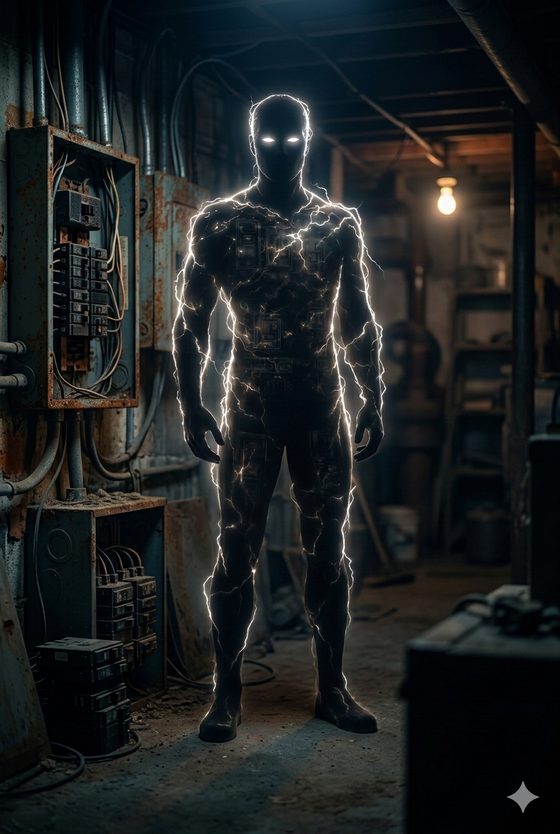
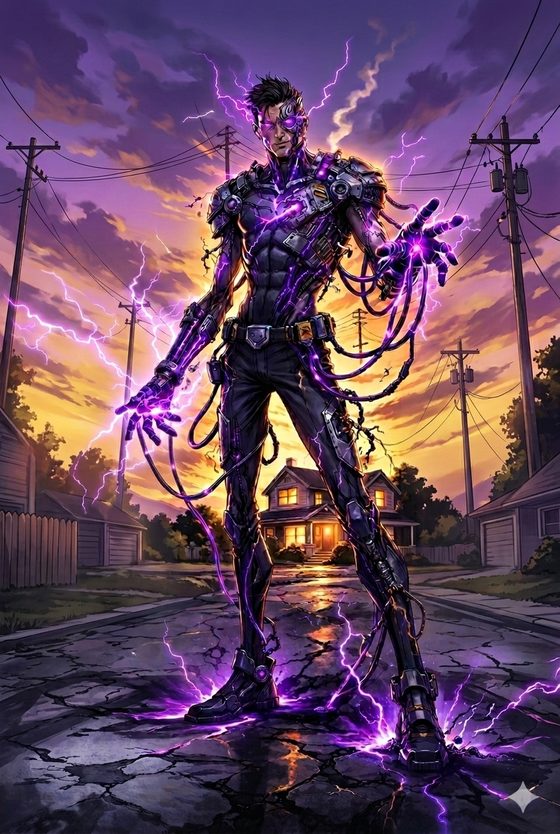
The villain you beat before he shows up
Surge is the rare one you can't fight after the fact. You get ready, or you pay for it.
Questions
Surge protection, answered straight
What does a whole-home surge protector actually do?
It goes in at your main panel and works like a pressure valve for power. When a spike comes down the line, it catches the extra energy and sends it safely into the ground in a split second — before it reaches your appliances and electronics.
I have power strips. Isn't that enough?
Not by itself. A power strip only protects what's plugged into it — and nothing plugs in your AC, your oven, your garage door opener, or your EV charger. A whole-home unit at the panel covers the entire house. The best setup is both: the panel unit as the base, plus strips on your sensitive electronics.
Where do surges even come from?
Most aren't lightning. Big motors in your own home — especially your air conditioner — make a small spike every time they kick on. In a Texas summer, that's dozens a day. On top of that, storms and the power grid send spikes in from outside. It's the steady small hits that quietly wear out your electronics.
Will it protect against a direct lightning strike?
No — and be careful with anyone who says otherwise. A direct strike is a huge amount of energy and no device can soak up all of it. What surge protection handles is the far more common stuff: nearby strikes, grid problems, and the spikes your own house makes — which is almost all of what actually kills equipment.
Does my homeowners insurance cover surge damage?
It changes a lot from policy to policy, and by what caused it — some cover lightning damage but not other power surges, and the deductible is often more than what got ruined. It's worth reading your own policy or asking your agent instead of assuming you're covered.
How long does a surge protector last?
They wear out. Every surge it soaks up uses a little of what it has left, so it's a part with a life span, not a permanent fixture. Most have a light showing whether they're still working — worth a glance now and then.
Do I need one if I'm getting an EV charger or new panel?
It's the best time to think about it, since the electrician is already at the panel. An EV charger is expensive equipment wired straight in, and doing both at once means one visit instead of two. We'll bring it up at the consult — no pressure either way.
How much does whole-home surge protection cost?
It depends on the unit and how your panel is set up. For what it protects, it's one of the cheapest things you can add — and we give you a flat price upfront before any work starts. The $119 consult covers checking your ground and panel so it's installed in a way that actually works.
Where We Work
Surge protection across greater Austin
Real protection means thinking ahead.
This is the one you can only win by getting ready first.